The landscape of global health is shifting. At its heart is a multi-billion-dollar deal that signals a new era for Indian industry. When Dilip Shanghvi, the visionary billionaire behind Sun Pharmaceutical Industries, moves his pieces on the board, the world watches. This is not just another transaction; it is a calculated, strategic expansion into the heart of the Western medical establishment. By orchestrating the $11.8 billion acquisition of Organon & Co., a prominent New York-listed healthcare company, Shanghvi proves his ambitions for Sun Pharma have no ceiling.
Having observed the ebb and flow of the pharmaceutical industry for years, I see this as more than a simple corporate buyout. It is a sophisticated pivot from a reliance on generic drugs toward the high-margin, complex world of specialty medicines. For a pharma mogul who built an empire on efficiency, this merger represents a masterclass in commerce and trade. By securing a controlling interest in such vast global assets, Shanghvi is effectively doubling down on the U.S. market. He is ensuring that his investment yields influence far beyond traditional manufacturing.
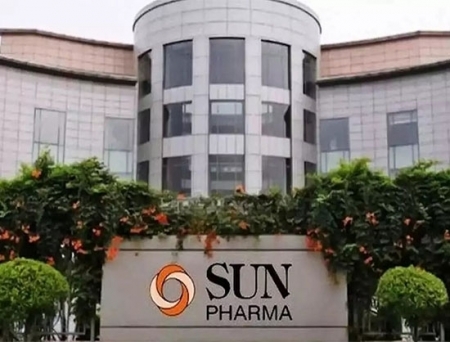
The financial mechanics here are fascinating. Navigating the NYSE as a public company requires transparency and grit that only a seasoned high-net-worth individual can maintain. This deal isn’t just about immediate valuation; it’s about long-term equity and the massive boost to the firm’s market capitalization. In high-stakes finance, Organon’s diverse portfolio lets Sun Pharma bridge the gap between emerging-market agility and established-market stability.
From an expert’s lens, the health care sector thrives on such bold moves. By integrating these new pharmaceuticals under one roof, the group is not merely buying revenue. They are buying time and clinical expertise. The sheer scale of this multi-billion-dollar deal serves as a reminder: the giants of the East are no longer just suppliers. They are the new architects of the global medical future, wielding the capital and courage to redefine what is possible in modern medicine.
The rhythm of global pharma changed significantly this Monday as the Mumbai-based giant, Sun Pharma, executed a masterful business transaction. Witnessing a takeover of this magnitude firsthand reminds one that in corporate finance, timing and liquidity are everything. This all-cash transaction to acquire Organon wasn’t just a move to expand; it was a deliberate consolidation strategy. When the joint statement hit the wires, it became clear that the commercial terms were designed to maximize shareholder value while navigating a complex web of debt and fiscal obligation.
As trading commenced, the market reaction was nothing short of electric. On the Mumbai Stock Exchange, specifically the BSE and NSE, investors scrambled to digest the financial news. The price per share offered—$14—represented a significant premium that sent a clear signal to the bourse. I watched as the stock price climbed steadily, showing a 9% increase by early afternoon. This market surge during intraday hours reflected a deep confidence in the legal agreement and the long-term capital growth potential of the combined companies.
Calculating the true enterprise value of such an acquisition requires looking past the surface. It involves balancing the immediate cash outflow with the inherited liabilities and the leverage required to sustain such an investment. By buying Organon, Sun Pharma is effectively utilizing its equity to pivot toward a more dominant position in the U.S. market. The press release issued by the firms underscored that this deal is as much about cleaning up the balance sheet as it is about clinical reach. It is a rare moment where a massive pharmaceutical play manages to satisfy both the clinical purists and the hard-nosed analysts on the trading floor.
The narrative of Sun Pharma in the United States isn’t a story of overnight success; it is a meticulously plotted journey that began in 1998. Back then, the acquisition of a controlling stake in Caraco Pharmaceutical Laboratories marked the first real flag planted in the American market. Watching this evolution over decades, I’ve seen how a company from India transitioned from a niche player to a dominant force in the pharmaceutical industry. By the end of the fiscal year ending March 31 2025, the numbers told a staggering story: nearly one-third of their total revenue, amounting to roughly $6 billion, was generated from their commercial footprint in North America.
This historical context is vital to understanding the momentum in May 2025. When the company moved to acquire the skin cancer-focused drug maker Checkpoint Therapeutics for $355 million, it wasn’t just a capital expenditure; it was a high-conviction strategic buy. My years analyzing the healthcare sector have taught me that business growth in the U.S. requires moving beyond simple manufacturing. By doubling down on oncology and dermatology, the firm is ensuring its global expansion is fueled by high-value medicine and specialized therapy rather than just high-volume generics.
The annual report reflects sophisticated financial performance, with earnings increasingly tied to complex biotechnology and life-saving cancer drugs. This shift into specialized medical treatment has allowed each subsidiary under the umbrella to capture a larger market share through targeted investment. It’s a fascinating dance of international trade—where a merger or a calculated divestment can reshape how healthcare is delivered across oceans. Dilip Shanghvi’s corporate history shows that he isn’t just looking for a quick win; he is building a legacy where Indian innovation becomes a cornerstone of the American pharmaceutical landscape.
The sheer scale of the Organon transaction serves as a definitive testament to the business strategy that has guided Sun Pharma for decades. When Dilip Shanghvi, acting as executive chairman, makes a move of this magnitude, it is never about mere market expansion; it is about the surgical integration of an asset that can sustain long-term corporate growth. Having tracked the pharmaceutical landscape for years, I’ve noted that many organizations struggle with the “digestive” phase of a merger, but Shanghvi’s executive leadership has historically excelled at identifying a strategic fit that others might overlook.
This acquisition represents a significant opportunity to enhance the firm’s capabilities by combining two complementary, diversified engines of innovation. By folding Organon’s strengths into the existing portfolio, the enterprise achieves a level of diversification that provides a massive competitive advantage in an increasingly volatile healthcare market. The synergy created here is palpable, allowing for a stronger global presence that leverages commercial scale to reach patients in corners of the world previously untouched by their international business efforts.
The management of such a transition requires more than just capital; it demands an obsession with operational efficiency. Within the context of this industry consolidation, the focus shifts toward creating a unified global reach that isn’t just wide, but deep. My own perspective on value creation suggests that the real win here lies in the leadership‘s ability to turn a massive business transaction into a streamlined, high-performing entity. As Sun Pharma continues its ascent, this latest chapter proves that its global reach is no longer just a goal but a permanent fixture of its identity.
Scaling the Summit: The Financial Engineering of the Sun-Organon Alliance
The transformation of Sun Pharmaceutical Industries into a pharmaceutical giant has always been a masterclass in calculated risk, but the recent acquisition of Organon marks a seismic shift in its global healthcare trajectory. Having analyzed high-stakes consolidation for years, I find the enterprise valuation of this cross-border deal particularly compelling. Dilip Shanghvi, the billionaire executive chairman whose name is synonymous with Indian pharma’s rise, is not merely buying a company; he is integrating a massive platform that spans 150 countries. This Merger with the Merck spinoff allows Sun to pivot from its traditional strengths into high-growth segments like women’s health, biosimilars, and general medicines.
From a corporate merger perspective, the transaction is a feat of liquidity management. To fund this purchase, the company is utilizing its robust cash resources alongside strategic financing from a syndicate of banks. With an annual revenue target nearing $12.4 billion, this move firmly places Sun among the top 25 drugmakers globally. The roadmap to 2027 is now clearly defined by the integration process, with the focus shifting toward synergy and steady deleveraging. My expertise suggests that the combined EBITDA and enhanced cash flow will be the primary engines driving this fiscal growth, allowing the merged surviving entity to handle its debt obligations while continuing to invest in R&D.
The path forward, however, is paved with rigorous governance and regulatory approvals. As detailed in recent SEC filings and the mandatory proxy statement, the deal hinges on a crucial shareholder vote and obtaining the necessary stockholder approval. Navigating the maze of antitrust clearance across multiple jurisdictions is no small task for a multinational of this scale, yet the investment logic remains sound. This isn’t just about capital deployment; it’s about a seasoned Billionaire ensuring that his life’s work reaches every corner of the globe, transforming a regional success into a permanent pillar of international medicine.
The strategic genius behind the Sun-Organon alliance lies in the architectural foundation of Organon itself. Having closely monitored the pharmaceutical industry during the landmark corporate separation in 2021, it was clear that this Merck spinoff (known as MSD outside the U.S. and Canada) was destined for a massive acquisition. By inheriting a legacy of established brands, the entity was born with a global footprint that few mid-sized firms could dream of. For a veteran in international trade, seeing a portfolio of over 70 products move under the Sun Pharma umbrella is like watching a master puzzle-solver find the final, crucial piece.
This move is not merely a numbers game; it is a profound expansion of therapeutic areas. While Sun has long been a powerhouse, the inclusion of Organon’s specialized focus on women’s healthcare and reproductive health adds a new layer of purpose to its commercial efforts. The transition from general medicines and biosimilars into a more diversified range of healthcare solutions—including medical devices—allows the combined pharmaceutical giant to address health equity on a truly global scale. From my perspective, the real value lies in the robust supply chain and the manufacturing plants spanning the European Union, Brazil, and China.
The distribution networks established in Europe and various emerging markets ensure that essential medicines reach patients faster than ever before. With high-tech production facilities situated across the globe, the operational efficiency of this merged entity is set to skyrocket. Furthermore, the push into biotechnology, oncology, and immunology through Organon’s existing pipeline ensures that the company remains at the cutting edge of modern healthcare. As these markets continue to evolve, maintaining a steady flow of high-quality healthcare access will be the ultimate benchmark of success for this historic deal.
The Architect of Ambition: Dilip Shanghvi’s Journey to the Pinnacle
The story of Sun Pharmaceutical Industries is often told through balance sheets, but to understand its essence, one must look at the corporate history of its business founder. Long before he was a billionaire with a real-time net worth of $24.8 billion, Dilip Shanghvi was a young pharmaceutical distributor helping his father in Kolkata. In 1983, with a mere $200 loan and a relentless spirit of a startup entrepreneur, he launched a venture that initially specialized in psychiatric drugs. From those humble beginnings, he catalyzed an era of exponential growth, transforming a small team into a global pharma force that has become India’s most valuable listed drugmaker.
My own observations of the healthcare sector suggest that Shanghvi’s genius lies in his patience and precision. He didn’t just build; he orchestrated a series of strategic acquisitions that redefined the pharmaceutical industry. The 2014 buyout of Ranbaxy Laboratories remains a landmark merger, while more recent moves—such as the takeover of Concert Pharmaceuticals—show a sophisticated shift toward clinical trials and specialty drugs. This focus on mental health and complex generics has propelled the company’s market capitalization to a staggering $44 billion, reflecting a financial success few can replicate.
As a veteran analyst of the Mumbai Stock Exchange, I find Sun Pharma’s stock market performance on the BSE and NSE to be a reflection of deep-rooted trust in Shanghvi’s vision. This is no longer just a company; it is an equity investment vehicle spanning continents. His wealth ranking among the wealthiest in India is a byproduct of his ability to anticipate future capitalization needs. With every strategic expansion, he reinforces the idea that the true value of an entrepreneur is measured not just in dollars, but in the enduring impact their medicines have on lives across the globe.